Designing Timeless Wedding Stationery with Botanical Tools
There’s a certain magic that happens when hand-painted art meets modern design. The soft bleed of a watercolor petal, the delicate veins of a leaf—these details carry an organic warmth that digital graphics often miss. If you’ve ever wanted to infuse your projects with that authentic, artistic touch without spending hours with a paintbrush, you’re in the right place. Let’s explore how a curated set of watercolor botanical elements can transform your creative workflow and elevate the visual story you’re telling.
Beyond the Wedding Invite: Unpacking the Versatility
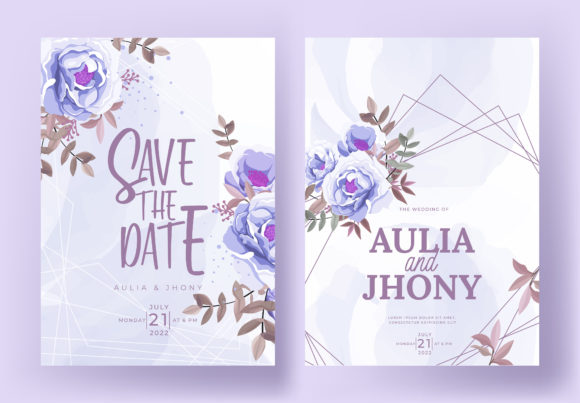
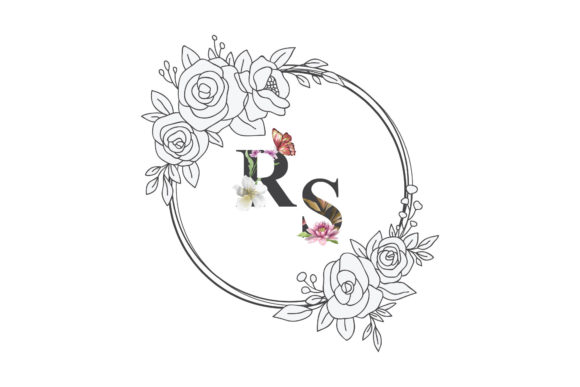
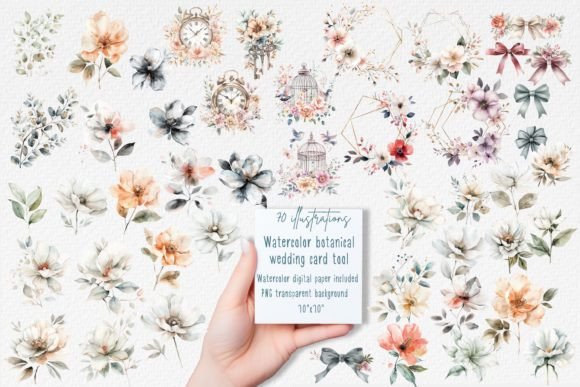
While the name suggests a focus on nuptials, the true potential of a collection like the Watercolor Botanical Wedding Card Tool is staggering. Think of it not as a one-trick pony, but as a foundational library of organic design assets. The 70 illustrations, ranging from single stems to elaborate wreaths and frames in both 10"x10" and 5"x7" formats, provide incredible flexibility. These aren't just decorations; they are communicative tools. A delicate floral border can soften a corporate report, while a bold botanical frame can make a restaurant menu feel more inviting. The transparent PNG files mean you can layer these elements onto any background—paper textures, solid colors, or photographs—without the hassle of masking or clipping. This seamless integration is what separates a good design from a great one, saving you precious time while maintaining a professional finish.
Building a Cohesive Brand Identity with Organic Elements
For small business owners, entrepreneurs, and content creators, visual consistency is the bedrock of brand recognition. This is where a well-curated asset library becomes invaluable. Imagine a boutique skincare line using the same delicate peony from its packaging on its Instagram stories, its website header, and its thank-you cards. That repetition builds familiarity and trust. The soft, natural color palette inherent in watercolor botanicals offers a sophisticated and approachable aesthetic that works across industries—from florists and bakeries to wellness coaches and lifestyle bloggers. When selecting elements for your brand, consider the emotional tone you want to set. The airy, romantic feel of these illustrations is perfect for brands that want to convey elegance, care, and a personal touch. It’s a way to create a visual language that feels both premium and heartfelt.
Practical Applications for Marketers and Creators
Let’s get concrete. How do you actually use these elements in your day-to-day projects? The applications are nearly endless, but here are a few high-impact ideas to spark your creativity:
- Social Media Graphics: Use a single floral stem as a corner accent on a quote graphic or a full wreath to frame a product announcement. This adds visual interest without overwhelming your message, helping your content stand out in a crowded feed.
- Editorial and Blog Design: Break up long blocks of text in a blog post or newsletter with a subtle botanical divider. It guides the reader’s eye and makes the content more digestible and visually appealing.
- Packaging and Merchandise: Design elegant labels for jars, boxes, or bags. A botanical frame can beautifully highlight your product name. For merchandise like tote bags or notebooks, a well-placed floral cluster can create a desirable, artisanal product.
- Event and Invitation Design: Beyond weddings, these elements are perfect for baby showers, milestone birthdays, garden parties, or even corporate retreats with a nature theme. They instantly set a sophisticated and thematic tone.
- Digital Products and Marketing Assets: Enhance the perceived value of a digital download, like an e-book or planner, with decorative chapter headers or section dividers. For email marketing, a botanical accent can increase the visual appeal of your newsletters.
The key is to use these assets to complement your core message, not to compete with it. A little organic detail can go a long way in making your designs feel more polished and intentional.
Pairing and Presentation: Making It Work for You
Introducing ornate botanical elements into your design requires a thoughtful approach to typography and layout. The goal is harmony, not chaos. Here’s some practical advice for integrating these visuals effectively:
Choose Your Typography Wisely. The organic, flowing nature of watercolor art pairs beautifully with certain font styles. A clean, modern sans serif font creates a lovely contrast, letting the botanical details shine while ensuring readability. Alternatively, a classic serif font can enhance the timeless, elegant feel. For a more romantic or personal touch, a well-chosen script font or handwritten font can be used sparingly for headlines or accents. The trick is to avoid pairing highly decorative botanicals with an equally ornate display font, as this can quickly become visually cluttered and difficult to read.
Test Your Pairings. Always mock up your designs. Place your chosen botanical frame around a text block. Does the text remain legible? Is there enough breathing room, or does the design feel cramped? Check the contrast between your text color and the watercolor elements, especially for digital screens. What looks beautiful on your high-resolution monitor might not be as clear on a phone.
Mind the Scale and Composition. Use the different available sizes to your advantage. A 10"x10" wreath might be perfect for a poster background, while a smaller 5"x7" frame is ideal for a social media graphic. Don’t be afraid to rotate, flip, or recolor elements to fit your specific palette. The transparent backgrounds make this kind of manipulation straightforward.
Understand Commercial Licensing. This is a critical, often overlooked step. Before using any design asset in a commercial project—whether it’s for a client or your own business—review the licensing terms carefully. Ensure the license covers your intended use, whether for digital products, physical merchandise, or client work. This due diligence protects you and your business down the line.
Ultimately, a tool like this is about expanding your creative vocabulary. It provides the raw materials; your vision and strategic thinking bring them to life. By focusing on cohesion, readability, and purposeful application, you can leverage these beautiful botanical assets to create designs that are not only visually stunning but also deeply effective in communicating your message and building your brand’s unique aesthetic.