Soft, Hand-Painted Florals for Wedding Stationery
There's a particular kind of magic in watercolor—the way pigment bleeds softly into wet paper, creating edges that feel alive and organic. When that hand-painted quality meets wedding design, the result is something deeply personal and visually striking. A thoughtfully curated watercolor floral collection doesn't just decorate an invitation or a program; it sets an emotional tone. It whispers rather than shouts, and in the context of a wedding, that gentle approach often carries the most weight.
For designers, stationers, and creative entrepreneurs working in the bridal space, having a versatile library of watercolor botanical elements is more than a convenience—it's a competitive advantage. The right bundle of florals, leaves, and foliage can transform a flat digital layout into something that feels tactile, romantic, and unmistakably artisanal.
Why Watercolor Botanicals Resonate with Modern Couples
Wedding aesthetics have shifted dramatically over the past decade. The rigid formality of engraved script and stark white layouts has given way to couples who want their stationery to reflect personality, warmth, and a sense of place. Watercolor florals sit at the intersection of several trending styles: boho, garden-party, rustic elegance, and modern romantic. They work just as beautifully on a save-the-date for a desert elopement as they do on a menu card for a vineyard reception.
What makes these elements so effective is their imperfection. Unlike vector graphics, which can feel sterile or overly polished, watercolor textures carry the fingerprint of the artist's hand. Petals have uneven saturation. Leaves show the natural variation of real foliage. This authenticity resonates with couples who want their wedding to feel curated rather than manufactured.
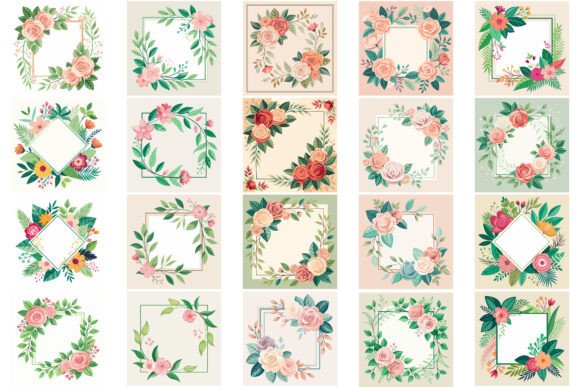
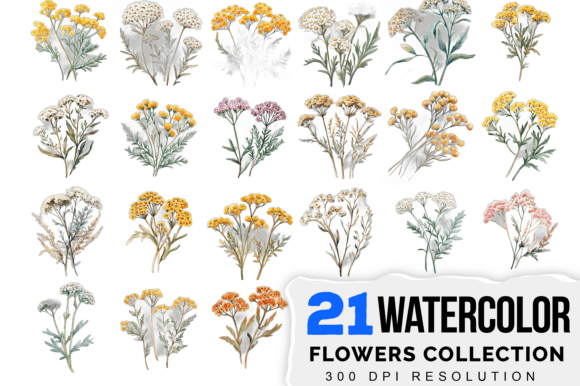
A well-assembled watercolor floral bundle typically includes a range of individual elements—full blooms, single petals, trailing greenery, accent sprigs, and filler leaves. When provided as high-resolution PNG files with transparent backgrounds, these pieces become building blocks. You can layer them behind typography, weave them around photo frames, or scatter them as subtle accents across a cohesive suite of materials.
Building a Cohesive Wedding Suite with Floral Elements
One of the most practical advantages of working with a pre-designed floral collection is the ability to maintain visual consistency across an entire wedding stationery suite. From the initial save-the-date through the day-of materials and into thank-you cards, repeating the same botanical motifs creates a unified narrative. Guests recognize the aesthetic immediately, and the couple's personal brand—yes, weddings have brands—feels intentional and complete.
Consider how the same cluster of painted peonies might anchor a formal invitation, then reappear as a smaller accent on a details card, and finally show up as a delicate corner flourish on a place card. The repetition isn't monotonous when the elements are hand-painted; each placement feels fresh because the organic shapes interact differently with the surrounding white space and typography each time.
For designers offering wedding stationery services, a robust floral bundle also streamlines the creative process. Instead of painting custom elements for every client—which is time-intensive and costly—you can mix, match, and recolor existing pieces to suit different palettes and themes. A warm-toned arrangement becomes autumnal with a few color adjustments. Swap in cooler hues, and suddenly the same composition feels like a spring garden.
Practical Applications Beyond the Wedding Day
The versatility of watercolor botanicals extends well past invitations and ceremony programs. Creative professionals across multiple disciplines find these assets invaluable for a range of projects.
- Brand Identity: Boutique businesses—florists, bakeries, wellness studios, and lifestyle brands—frequently incorporate watercolor florals into their logos, business cards, and brand guidelines. The soft, approachable aesthetic communicates warmth and craftsmanship without requiring a massive design budget.
- Social Media Graphics: Instagram posts, Pinterest pins, and Facebook covers benefit enormously from hand-painted botanical overlays. They add visual interest to quote graphics, product announcements, and seasonal promotions without overwhelming the core message.
- Packaging Design: Product labels, box inserts, and tissue paper patterns gain a premium, artisanal quality when watercolor florals are incorporated thoughtfully. This is especially effective for small-batch goods, handmade cosmetics, and specialty food items.
- Editorial and Blog Layouts: Magazine spreads, blog headers, and newsletter templates use floral elements to create visual hierarchy and guide the reader's eye. A painted vine running along the margin of a page adds elegance without competing with body copy.
- Digital Products and Templates: Designers selling Canva templates, Etsy printables, or digital planners often build their offerings around a cohesive set of watercolor assets. The bundle becomes the foundation for an entire product line.
- Merchandise and Print-on-Demand: Tote bags, greeting cards, art prints, and phone cases featuring watercolor botanicals appeal to consumers who appreciate handmade aesthetics but want accessible price points.
Working with Transparent PNGs in Your Design Software
The technical workflow for incorporating watercolor florals is straightforward, but a few best practices make a meaningful difference in the final result. Since these elements arrive as transparent PNGs, they're ready to drop into virtually any design environment—Photoshop, Illustrator, Canva, Procreate, Affinity Designer, or even PowerPoint for quick internal projects.
Layering is where the real artistry happens. Place a floral arrangement behind your headline text to create depth, but adjust the opacity if the colors compete with readability. Use blending modes like Multiply or Soft Light to integrate painted elements more naturally into textured backgrounds. When combining multiple florals, vary their scale slightly so the composition feels organic rather than symmetrical.
Color harmony deserves attention as well. If your wedding palette leans dusty and muted, look for florals painted in analogous tones—sage, blush, mauve, and ivory. For bolder schemes, seek out elements with saturated jewel tones that can anchor a more dramatic aesthetic. Many bundles include elements across a spectrum of palettes, giving you flexibility without requiring custom illustration.
Typography pairing is another consideration that affects the overall cohesion of your design. Watercolor florals tend to pair best with typefaces that echo their organic, slightly imperfect character. A flowing script font for headlines, complemented by a clean sans-serif for body details, creates a balanced hierarchy. Avoid overly geometric or futuristic typefaces, which can feel jarring against the softness of hand-painted elements.
Choosing Quality Assets That Serve You Long-Term
Not all floral bundles are created equal. Resolution matters enormously, especially for print work. Elements should be high-resolution enough to scale cleanly on large-format pieces like welcome signs or ceremony backdrops without pixelation or visible compression artifacts. The painting style should feel consistent across the collection—mixing photorealistic botanicals with loose, impressionistic watercolors in the same design creates visual dissonance.
Licensing is another factor worth examining before you invest. If you're a professional designer creating work for clients, or a business owner using these assets in commercial products, confirm that the license covers your intended use. Most reputable bundles offer commercial licensing, but the specifics—number of end products, resale restrictions, attribution requirements—vary. Understanding these terms upfront prevents headaches later.
A thoughtfully curated watercolor floral bundle is one of those design investments that pays for itself many times over. It saves hours of custom illustration, provides a consistent visual language across diverse projects, and delivers the kind of handcrafted aesthetic that modern audiences genuinely connect with. Whether you're designing a single wedding invitation or building an entire brand identity around botanical motifs, these soft, painterly elements offer a foundation that's both beautiful and endlessly adaptable.