The Timeless Appeal of Two Intertwined Rose Gold Wedding Rings
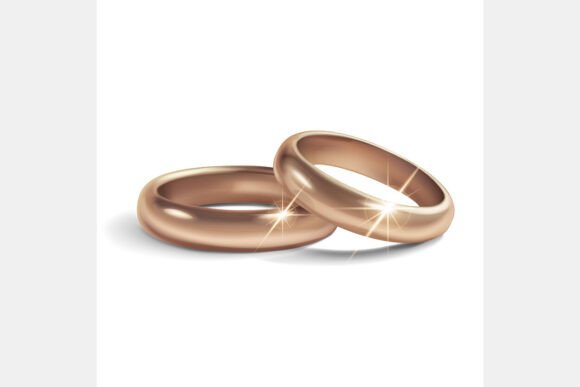
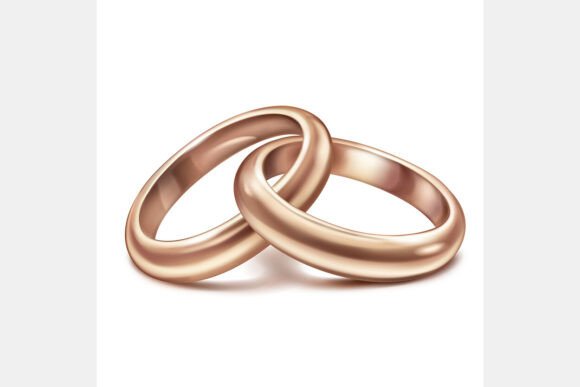
There's something profoundly moving about two separate forms becoming one. Two intertwined rose gold wedding rings capture that exact moment—the joining of paths, the merging of stories, the creation of something stronger than either piece alone. This isn't just a design element; it's a visual language that speaks directly to human connection, commitment, and warmth.
Whether you're designing a wedding invitation suite, building a brand for a jewelry boutique, or creating social media content for a romantic campaign, this particular image carries weight. The rose gold tone adds a contemporary softness that feels both luxurious and approachable, while the intertwined structure communicates unity without saying a single word. Let's explore why this design asset deserves a place in your creative toolkit and how to use it effectively across different projects.
Why Rose Gold Resonates with Modern Audiences
Color choices in design aren't arbitrary—they carry psychological associations that influence how people perceive your work. Rose gold sits in a fascinating sweet spot between traditional gold's opulence and pink's tenderness. It suggests romance without being saccharine, luxury without pretension, and modernity without coldness.
For designers working with wedding clients, lifestyle brands, or beauty companies, this color palette practically sells itself. Rose gold has maintained its popularity across fashion, interior design, and digital aesthetics for years now, and it shows no signs of fading. When you pair that color with the symbolism of two rings intertwined, you're working with a visual metaphor that's instantly recognizable and emotionally charged.
The polished, shiny surface of these rings also matters. Reflective finishes in illustration suggest quality and care—two qualities any brand wants associated with their name. The soft shadow beneath the rings grounds them in space, preventing the design from feeling flat or disconnected from its background. This attention to detail separates professional-grade design assets from amateur clip art.
Practical Applications Across Creative Projects
The versatility of this vector illustration extends far beyond wedding stationery. Here's where designers and creative professionals can put it to work:
Wedding and Event Design naturally comes to mind first. Save-the-date cards, wedding invitations, RSVP cards, menu designs, and thank-you notes all benefit from a cohesive visual anchor. Using the intertwined rings as a recurring motif across an entire invitation suite creates visual unity that feels intentional and polished.
Brand Identity for Jewelry and Lifestyle Businesses represents another powerful application. If you're building a logo or brand mark for a jeweler, wedding planner, or romantic lifestyle brand, this illustration can serve as a foundation. The vector format means you can scale it to fit everything from a favicon to a storefront sign without losing clarity. Pair it with a complementary typeface—a refined serif for traditional elegance or a clean sans serif for contemporary minimalism—and you've got the beginnings of a memorable brand identity.
Social Media Graphics and Digital Marketing thrive on imagery that stops the scroll. Engagement announcements, anniversary promotions, Valentine's Day campaigns, and jewelry sale graphics all benefit from this kind of emotionally resonant visual. The white background makes it easy to drop into templates, overlay with text, or combine with other design elements without worrying about clashing compositions.
Packaging Design for jewelry boxes, gift wrap, tissue paper inserts, or shopping bags can use this illustration as a subtle watermark or a bold central feature. When customers receive a beautifully packaged product, it reinforces the perceived value of what's inside.
Website Headers and Blog Graphics for wedding photographers, event coordinators, bridal boutiques, and relationship coaches can incorporate this design into hero sections, about pages, or featured image areas. The illustration communicates the site's focus immediately, reducing the time visitors need to understand what you offer.
Print Materials and Editorial Layouts including magazine features, lookbooks, catalog covers, and poster designs can leverage the intertwined rings as a thematic element. Editorial designers working on bridal magazine spreads or anniversary edition layouts will find this asset particularly useful for creating cohesive visual narratives.
Merchandise and Product Design opens another avenue. Think greeting cards, journals, phone cases, tote bags, or mugs sold through print-on-demand platforms. The commercial-ready nature of this asset—available in both EPS and high-resolution JPG formats—means you can adapt it for physical products without quality concerns.
Working with Vector and Raster Formats
Understanding your file formats saves headaches down the road. The included EPS file (version 10) gives you full editability in programs like Adobe Illustrator, Affinity Designer, or CorelDRAW. You can adjust colors, modify the ring shapes, resize without limitation, and export to virtually any format your project demands. Need the rings in silver instead of rose gold? Want to add a third ring for a polyamorous brand concept? The vector file makes these modifications straightforward.
The JPG file at 4167×4167 pixels provides a high-resolution raster option for projects where vector editing isn't necessary. This resolution works beautifully for print projects up to roughly 14 inches at 300 DPI, and it's more than sufficient for any digital application. Social media posts, website graphics, presentation slides, and email headers will all render crisply at this size.
A practical tip: always start with the vector file when possible. Even if your final output will be rasterized, working from vectors gives you maximum flexibility and ensures clean edges at any size. Save the JPG for situations where you need a quick, ready-to-use asset without opening vector editing software.
Building Visual Consistency Across Touchpoints
One of the most valuable things a cohesive design element does for a brand or project is create visual consistency. When your audience encounters the same intertwined rings motif on your Instagram feed, your website, your business card, and your packaging, it builds recognition. They start associating that visual with your brand's values and personality.
This principle applies whether you're a freelance designer developing a client's brand system or a small business owner managing your own visual identity. Consistency doesn't mean every piece looks identical—it means every piece feels like it belongs to the same family. The intertwined rings can appear as a full illustration on some touchpoints and as a simplified icon on others, maintaining the thread of recognition while adapting to different contexts.
Consider creating a small style guide around your chosen asset. Document which background colors pair best with the rose gold tones, which typefaces complement the illustration's elegance, and how much breathing room the design needs to feel balanced. These decisions, made once and recorded, save time on every future project and prevent the visual drift that happens when choices are made case-by-case.
Pairing Typography with Romantic Visual Elements
The typography you pair with this illustration significantly impacts the overall tone. A flowing script font might amplify the romantic feel for a wedding invitation, while a geometric sans serif could push the design toward modern luxury for a jewelry brand's marketing materials. Neither choice is wrong—they simply serve different communication goals.
When testing font pairings, pay attention to visual weight. The intertwined rings illustration has a certain delicacy to it, with thin lines and graceful curves. Pairing it with an extremely heavy display typeface might create visual tension that feels unintentional. Instead, look for typefaces that share a similar sense of refinement—whether that's a light-weight serif, a medium-weight sans serif, or an elegant script with moderate contrast.
Readability always matters, especially when text overlays or sits near the illustration. Ensure sufficient contrast between your type color and background, maintain appropriate sizing for the intended medium, and test your designs at the actual viewing distance or screen size your audience will experience.
Licensing and Commercial Use Considerations
Before incorporating any design asset into commercial work, verify the licensing terms. Understanding what's permitted—whether for client work, merchandise sales, digital products, or advertising—protects both you and your clients. Most premium design assets come with clear commercial licensing, but it's worth confirming specifics like print run limitations, digital distribution rights, and attribution requirements.
For designers who regularly work with wedding clients or romantic-themed projects, building a library of licensed, high-quality assets like this illustration streamlines your workflow. Instead of commissioning custom illustrations for every project, you can adapt existing assets to fit each client's unique needs, adjusting colors, compositions, and accompanying typography to create something that feels bespoke without the full custom price tag.
The two intertwined rose gold wedding rings ultimately represent something universal—the desire for connection and the beauty of partnership. As a design asset, they give you a visual shorthand for those ideas that resonates across cultures, industries, and creative contexts. Whether that connection is between two people, a brand and its audience, or a product and its owner, this simple illustration carries that meaning with grace and versatility.