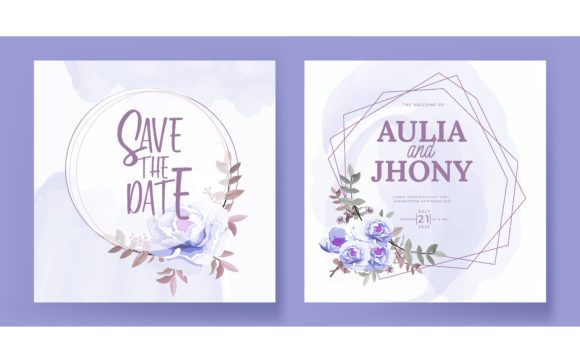
Vintage Wedding Invitation: A Typeface for Lasting Impressions
There’s something undeniably magnetic about a design that feels both timeless and personal. It doesn’t shout for attention; instead, it draws you in with quiet confidence, a subtle nod to history, and a touch of handcrafted elegance. This is the visual language of a vintage wedding invitation, a design concept that has evolved beyond its nuptial origins to become a powerful tool for creators seeking to inject warmth, nostalgia, and sophistication into their work. It’s more than just a decorative style; it’s a strategic choice for anyone building a brand or crafting a message that needs to resonate on a human level.
The Enduring Allure of a Bygone Aesthetic
What makes a vintage-inspired design so compelling? It often lies in the details. Think of the delicate, swirling letterforms of a script font that mimics the flow of a calligrapher’s pen, or the sturdy, elegant serifs of a typeface that recalls the craftsmanship of early 20th-century printing presses. These elements carry an inherent story. They suggest quality, care, and a connection to tradition—qualities that can instantly elevate a project’s perceived value.
For a small business owner designing product labels, a vintage aesthetic can communicate artisanal quality and heritage. A content creator might use it to give their blog a distinct, nostalgic personality that stands out in a crowded digital space. The key is that this style doesn’t just look pretty; it communicates specific brand attributes. It says, “We value craftsmanship,” “Our story has depth,” or “This experience is personal.” This makes it a versatile design asset far beyond its original context.
From Wedding Suites to Brand Identity Systems
The practical applications for a vintage wedding invitation style are vast and varied. Its core strength is in creating a cohesive and emotionally resonant visual identity. Here’s how different professionals can leverage it:
- Logo & Brand Mark Design: A carefully chosen vintage-inspired typeface can form the cornerstone of a logo, especially for businesses in the food, beverage, apparel, or lifestyle sectors. It helps create an immediate sense of trust and established quality.
- Packaging & Labels: On a shelf or in an online store, packaging is your first conversation with a customer. A vintage aesthetic can make a product feel more premium, curated, and special. It works beautifully for artisanal goods, cosmetics, craft beverages, and boutique merchandise.
- Digital Presence & Social Media: Consistency across platforms is crucial. Using a vintage display font for headlines on your website, in Instagram story templates, or for Pinterest graphics can create a strong, recognizable brand look. It’s particularly effective for wedding photographers, event planners, and lifestyle bloggers.
- Print Collateral & Marketing Assets: Think beyond the invitation. This style shines on business cards, thank you notes, posters, flyers, and editorial layouts in magazines or lookbooks. It adds a layer of sophistication that generic fonts often lack.
- Merchandise & Products: For creators selling digital products (like planners or printable art) or physical merchandise (like tote bags or mugs), a vintage-inspired font can make the design feel more like a keepsake than a commodity.
Choosing and Pairing Your Typeface for Maximum Impact
Adopting a vintage style requires more than just downloading a single font. It’s about building a typographic system. A comprehensive font family often includes multiple weights and styles—regular, italic, bold—and sometimes complementary scripts or alternates. Reviewing what’s included in your download is the first step.
Readability is paramount. While ornate scripts are gorgeous for headlines and logos, they can become illegible in long paragraphs. A best practice is to pair a decorative vintage display font with a clean, highly readable sans serif or serif font for body text. This creates a beautiful contrast that guides the reader’s eye and maintains clarity. For example, pair a bold, vintage slab serif for headings with a simple, modern sans serif for descriptions.
Match the font to your project’s goal. Are you aiming for rustic charm, Art Deco glamour, or Victorian elegance? Each vintage era has a distinct typographic voice. A font that evokes 1920s luxury will feel out of place on a farm-to-table restaurant menu. Test your chosen typeface in context. Mock it up on a business card, a website header, or a social media post to see how it feels in action.
Don’t forget commercial licensing. This is a critical, often overlooked step. If you’re using the font for client work, merchandise, or any project that generates revenue, you must ensure you have the correct commercial license. This protects both you and the font creator and is a mark of professional practice.
A Tool for Connection in a Digital Age
In a landscape saturated with sleek, minimalist design, a thoughtfully executed vintage style offers a refreshing sense of personality and warmth. It’s a design choice that prioritizes storytelling and emotional connection. By incorporating a vintage wedding invitation aesthetic into your toolkit, you’re not just choosing a font; you’re choosing a voice that can articulate quality, heritage, and care. It’s a practical asset for building a memorable brand identity, enhancing your marketing materials, and ultimately, creating designs that people don’t just see, but feel.